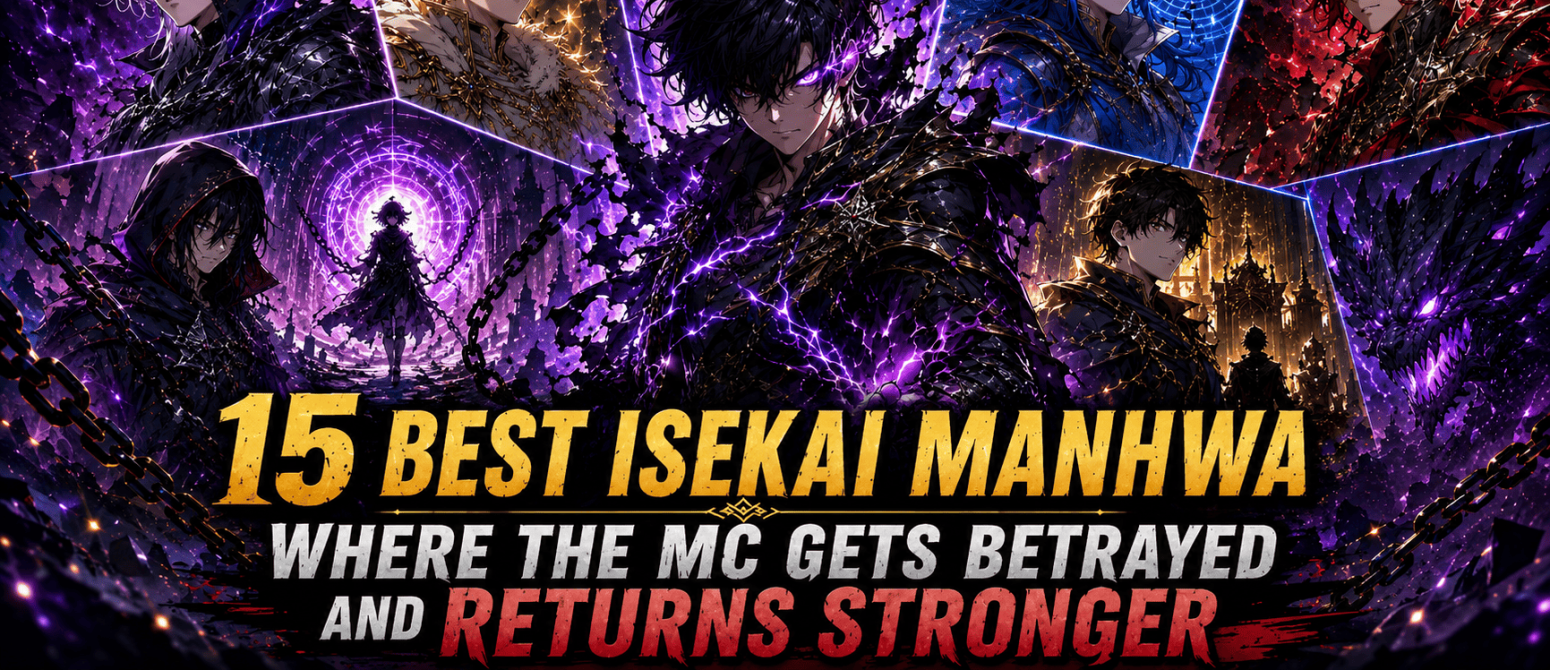
15 Best Isekai Manhwa Where the MC Gets Betrayed and Returns Stronger
You already know the type. The MC who spent years hiding his real power, playing weak, letting everyone underestimate him, until the moment he decided he was done playing nice. That whole genre hits different because the patience is the point. But there’s a version of that story that hits even harder: the MC who wasn’t hiding. He was just loyal. He just trusted the wrong people. And then they put a knife in his back.
Betrayal is a different kind of fuel. It’s personal. It’s specific. And when the comeback starts, you already know every single face that deserves what’s coming. If you’ve been deep in manhwa where the MC hides his power and you’re ready for something with more teeth, this list is exactly where to go next.
Here are 15 isekai and regression manhwa where the MC gets betrayed, hits rock bottom, and comes back so much stronger it almost feels unfair, almost.
1. Return of the Disaster-Class Hero
The man who carried everyone on his back gets stabbed in it, and spends 20 years in hell getting ready to return the favor.
Lee Geon was the strongest of the 13 Heroes. While the other 12 were playing politics and collecting godly blessings, he was the one actually doing the brutal work of keeping the world alive. His reward? His own allies — the Zodiac Heroes, trap him in the Tower of Demons and leave him there. No warning. No hesitation. Just a clean, calculated betrayal from the people he fought beside for years.
What makes this betrayal land so hard is the contrast. Lee Geon wasn’t naïve. He was powerful. The strongest one. And it still happened to him — because being the most capable in the room doesn’t protect you when the threat is the people standing next to you. The Tower of Demons is supposed to be a death sentence. Instead, it becomes a 20-year training arc that turns a man who was already terrifying into something that probably shouldn’t be allowed to exist.
He escapes younger looking than when he went in, carrying powers he harvested from every monster the Tower threw at him, and starts methodically dismantling the lives and legacies of the twelve people who put him there. The power fantasy is turned all the way up, the art is gorgeous, and the revenge is deeply satisfying chapter after chapter.
You will not put this down at a reasonable hour.
2. Revenge of the Iron-Blooded Sword Hound
He was the clan’s perfect weapon, so when they were done using him, they threw him away.
Vikir served the Baskerville clan as their most loyal, most lethal executioner. He did the jobs no one else could or would do. He asked nothing for himself. He believed in the clan with the kind of devotion that only makes sense when you’ve never had anything else to believe in. And then the head of the clan sentenced him to death. Not for failure. Not for betrayal on his part. Because loyal weapons that outlive their usefulness become liabilities.
The regression mechanic here is brutal in the best way: Vikir goes all the way back to infancy. He is a baby with the full memory, skills, and cold calculation of a seasoned assassin-executioner. Watching him navigate childhood as a toddler who could kill most adults in the room if he chose to is darkly funny in a way that never undercuts the actual menace of what he’s building toward. He is patient in a way that most MC betrayal stories don’t manage, because he has to be — he has years of childhood to get through first.
This is one of the more unique takes on regression manhwa revenge because the MC isn’t just getting stronger to face one antagonist. He’s rebuilding his entire position from the ground up, this time with no illusions about loyalty or belonging. The clan raised a weapon. He’s going to remind them what weapons do.
The slow burn of his childhood arc makes the payoff feel genuinely earned.
3. Second Life Ranker
His brother trusted the wrong people and paid with his life — and now Yeonwoo has the receipts.
Yeonwoo doesn’t get betrayed himself — his twin brother does. Jeongmin climbed the Obelisk tower with a party he trusted, made it further than almost anyone in history, and was murdered by the two closest people in his life at the peak of his climb. He left behind a secret pocket watch with everything recorded: the names, the betrayal, the layout of every floor, every secret and hidden mechanic of the tower he spent years mapping.
Yeonwoo enters the same tower with that diary and an objective. He’s not there to be a hero or prove himself or chase glory. He’s there to hunt. The betrayal isn’t his, but he carries it like it is — because it was his brother, and no one else is coming to settle this. The emotional core of the story is grief weaponized into precision, and it hits different from the standard “I was betrayed, now I’m angry” setup. This is colder. More deliberate.
The tower mechanics are rich and inventive, the power scaling goes completely off the rails in the best possible way, and Yeonwoo’s gradual transformation from grieving brother into something genuinely frightening is handled with real craft. This is one of the most-recommended regression manhwa in the genre for a reason: it delivers on every level.
You’ll start reading “just a few chapters” and resurface six hours later.
4. Kill the Hero
He died believing they were saving the world — the last thing he saw was proof they never were.
Woojin was a loyal member of the greatest hero’s party. He fought through dungeons, believed in the mission, trusted the man leading them. The moment of betrayal comes with brutal clarity: right before he dies, he puts together the full picture. The hero isn’t a hero. He’s been manipulating the entire dungeon war for his own ends, using everyone around him as pawns, and Woojin finally understands — too late — that none of it was real.
What sets Kill the Hero apart in the “manhwa mc betrayed” space is the villain. Most of these stories give you antagonists who are powerful but obvious. The hero here is genuinely intelligent, genuinely charismatic, and genuinely dangerous in ways that go beyond raw power. Woojin regresses with full knowledge of what’s coming and the understanding that stopping this man requires strategy, not just strength. He can’t just overpower him. He has to outsmart him.
It’s also one of the few completed series in this specific niche, which is not a small thing when you’re tired of picking up manhwa that go on indefinite hiatus mid-arc. You can read the whole thing. The story actually ends. Woojin gets to finish what he started.
The satisfaction of a completed revenge arc with a proper ending is worth the price of admission alone.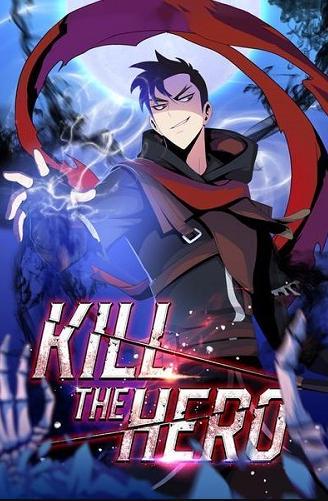
5. SSS-Class Revival Hunter
His power requires him to die, which everyone assumes means he’s helpless.
Gong-ja is an F-class hunter in a world where rank is everything and he appears to have nothing. His ability seems almost like a joke at first: he can copy the power of anyone who kills him. To use it, he has to die first. To the strongest hunters in the world, this reads as someone who couldn’t possibly be a threat. They’re not entirely wrong about the mechanism. They’re catastrophically wrong about what it means in practice.
This is one of the more clever constructions in the manhwa where mc gets betrayed and becomes op subgenre because the betrayal and the power fantasy are structurally linked. Every death is an acquisition. Every person who takes him out thinking they’ve ended the problem has just handed him another weapon. The “hidden power” element from the weak-to-strong genre is present here, but inverted, he’s not hiding existing power, he’s building power in real time from every attack against him.
The tone balances dark premise with genuine humor, the protagonist has a personality that goes beyond the standard stoic revenge machine, and the escalation of what he’s capable of as the story progresses is enormously fun to watch. This is the isekai manhwa betrayal revenge story for readers who want the main character to have actual wit alongside the power.
The “wait, he planned for THAT?” moments will make you put your phone down just to think about it for a second.
6. The Legendary Spearman Returns
The greatest spearman who ever lived is now a beginner again — and he is absolutely not okay with it.
The MC reaches a level of mastery with the spear that no one in the world can match — and then his own comrades betray and kill him at the height of his power. He travels back in time to before he ever had any real strength, before the years of brutal training, before the hard-won mastery. He has to start from the beginning, visibly weak, unable to reveal what he knows, unable to skip the process of appearing to learn things he already perfected lifetimes ago.
The core tension in The Legendary Spearman Returns is a slightly different flavor of the hidden power genre — it’s not that his power is hidden, exactly. It’s that he can’t use it openly without blowing his cover. He’s playing a novice while thinking like a grandmaster, and watching him navigate the gap between what he shows and what he’s actually capable of is genuinely entertaining. There’s also real satisfaction in watching someone who’s already been through hell approach training with zero illusions and maximum efficiency.
The betrayal is simple and personal, the comeback is physical and visceral, and the spear combat choreography in the art is the kind of thing that makes you stop and actually look at a page instead of just reading through it. For fans of the mc betrayed by party manhwa niche who also love clean, crisp action, this one delivers consistently.
Once the restraints start coming off, you will not be looking away.
7. A Returner’s Magic Should Be Special
He survived the end of the world — and came back to make sure it never happens.
Desir Arman is one of six survivors of the Shadow World, a nightmarish final dungeon that consumed everything and everyone else. He survives. And then he’s sent back — not to the moment of betrayal, but to years before the catastrophe, to a magic academy where none of his classmates have any idea what’s coming. The betrayal in this one isn’t personal in the traditional sense. It’s systemic, structural — the failure of an entire world to prepare, the deaths of everyone he knew, the ending he watched happen in real time.
What makes this stand out in the regression manhwa revenge genre is that Desir isn’t primarily motivated by anger or revenge. He’s motivated by grief and responsibility. He came back knowing exactly what kills everyone he cares about, and he intends to change it — quietly, methodically, without being able to fully explain to anyone around him why he knows what he knows. The hidden-power elements are present, but the emotional driver is love for the people he already lost once, not hatred for an enemy.
The magic system is intricate and interesting, the academy setting gives the story room to build real character relationships, and the dramatic irony of watching Desir interact with people whose fates he already knows creates a specific kind of tension that most action-forward regression stories don’t have. This is for readers who want the heart to go with the power fantasy.
The moment a character from his memories appears for the first time will hit you harder than you expect.
8. Chronicles of the Martial God’s Return
The world forgot the greatest martial god who ever lived — he did not extend them the same courtesy.
He stood at the absolute peak of the martial world. The greatest martial god to ever exist — and his own disciple, the person he chose, the person he trusted above everyone else, betrays him and seals him away. Centuries pass. The cultivation world he shaped continues without him, builds new legends on the foundation he laid, forgets his name entirely. He reincarnates into the body of a disgraced, talentless servant at the bottom of a sect that would have been nothing without what he built.
The disciple betrayal is one of the most resonant setups in the “manhwa mc betrayed” category because of what it implies about the MC’s judgment. He wasn’t betrayed by an enemy. He wasn’t ambushed by a rival. He was betrayed by someone he raised. Someone he chose. That specific failure makes the eventual reckoning feel even more loaded — this isn’t just about reclaiming power, it’s about settling a debt that spans centuries and cuts to the core of who he trusted with his legacy.
The cultivation system is engaging, the slow process of rebuilding strength while navigating sect politics from the bottom rung is addictive, and the moments where people begin to realize that this “talentless servant” is something else entirely are enormously satisfying. This is a core entry in isekai manhwa betrayal revenge and it earns every chapter of buildup.
The reveal moments, when they come, feel like the ground shifting.
9. The Great Mage Returns After 4000 Years
He was imprisoned for being too powerful — he returns to finish the conversation.
Lucas Traumen was not betrayed by an ally or a disciple. He was imprisoned by a demigod — a being of immense power who looked at Lucas and decided he was too dangerous to be allowed to continue existing freely. For 4000 years, Lucas was trapped inside his own mind, conscious and aware, unable to die, unable to act. When he finally gets out, he reincarnates into the body of the single most talentless magic student at a prestigious academy — a boy so completely without ability that he’s become the school’s standing joke.
The gap between Lucas’s actual knowledge, experience, and raw magical understanding and the body he’s working with creates a specific kind of dramatic irony that this story leans into hard. Everyone around him sees a failure. He is patiently, methodically rebuilding access to power that would have made the entire faculty kneel four thousand years ago. The “4000 years” detail isn’t just flavor — it’s weight. He has been waiting longer than most nations have existed.
This is a slower burn than some on this list, with more emphasis on academy politics and character dynamics, but when Lucas starts showing what he actually is, the payoff lands with appropriate force. The demigod antagonist is compelling in a way that makes the eventual confrontation feel like something that has genuinely been building across millennia.
The moment he stops pretending to struggle with basic spells is the moment you lose the rest of your evening.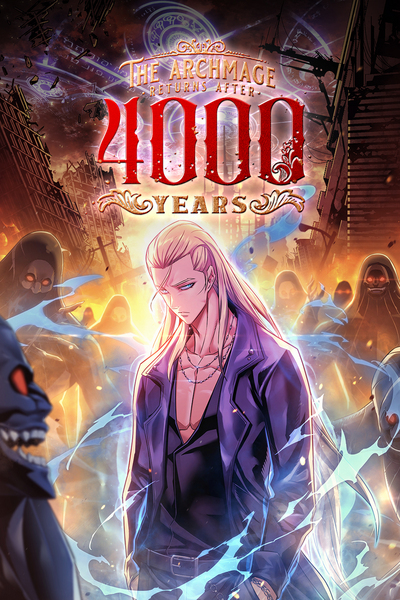
10. Leveling with the Gods
He already finished the tower once — now he’s doing it again, and he’s not planning to stop at the top.
Kim Hyunwoo made it to the 99th floor of the Tower. The absolute ceiling. The peak that almost no one in history had reached. And then he was sent back to Earth at level one, stripped of everything he’d built, and forced to start over. This isn’t a betrayal by a person — it’s a betrayal by the system itself, by the tower, by whatever power sits at the top of it. He was strong enough to reach the end and still got knocked back to the beginning.
What makes this distinct in the regression manhwa revenge space is the scope. Most betrayal-regression stories are personal — one man hunting specific people. Hyunwoo’s objective is bigger. He knows the entire tower. He knows which paths lead where, which encounters can be exploited, which allies are worth trusting, which powers compound effectively. He’s doing a full second playthrough with perfect information and a specific objective at the end that goes beyond simply “reclaiming what he lost.”
The scale of power in this manhwa escalates far past what most entries in the genre attempt, and it does so with a protagonist who has the knowledge to justify every leap. For readers who want the regression manhwa revenge setup but pushed to its absolute logical extreme, this delivers at a scale that’s genuinely hard to match.
The floors that took him years the first time start taking him hours, and watching that efficiency is deeply, unreasonably satisfying.
11. Memorize
He’s not coming back because he believes in a better future — he’s coming back because he refuses to stop.
Zero Chan spent ten brutal years surviving the Hall Plain, a world that grinds people down and breaks them and kills them and keeps going regardless. He makes it through. He uses the Hall of Probability: a secret, high-risk system — to regress and get another chance. And here’s what sets Memorize apart from almost every other entry in this genre: he is not hopeful. He is not fired up with the energy of second-chance optimism. He is exhausted, clearheaded, and running entirely on determination because stopping is not something he’s capable of.
The emotional register of this manhwa is darker and quieter than most manhwa where mc gets betrayed and becomes op. Zero isn’t charging toward revenge with fire in his eyes. He’s walking toward it with full awareness of the cost, the grind, and the probability that this attempt also ends in loss. That psychological realism — a protagonist who has been through enough to have no illusions left — makes the reading experience feel heavier and more serious than the average power fantasy.
The world-building in the Hall Plain is genuinely expansive, the tactical approach Zero takes to his second run rewards close reading, and the way the story handles the weight of memory and repeated trauma gives it a depth that most action manhwa don’t bother with. This is for readers who want the betrayal-and-regression framework taken seriously rather than just used as a launchpad for wish fulfillment.
It’s not the most fun manhwa on this list — but it might be the one that stays with you longest.
12. The World After the Fall
Everyone went back. He’s the only one who stayed — and he’s going to finish it.
The premise of The World After the Fall is genuinely unlike anything else in the genre. A tower appears. People are given Regression Stones that let them go back to before it all started and try again. Almost everyone uses them — over and over, regretting, resetting, retreating. Jaehwan is the only one who refuses. He keeps moving forward in the ruined timeline everyone else abandoned, clearing the tower alone, in a world that has been stripped of almost everyone who was supposed to be there.
This isn’t the standard “mc betrayed by party manhwa” setup — it’s a thematic inversion of the entire regression genre. The betrayal here is broader: he was abandoned by an entire civilization that chose to run instead of fight. The people who should have stood with him chose comfort over consequence, left him behind in a broken world, and kept looping while he kept climbing. He didn’t regress. He endured. And then the story opens up into something philosophically stranger and more interesting than the genre usually attempts.
The worldbuilding is dense and rewards patience, the protagonist is a specific kind of stubborn that borders on the mythic, and the story’s central question — whether refusing to go back is strength or madness or both — runs through every arc. This is the recommendation for readers who are already deep in the genre and want something that challenges their assumptions about what regression manhwa can do.
You will finish a chapter thinking you understand where it’s going and then immediately not understand where it’s going — in the best possible way.
13. Omniscient Reader’s Viewpoint
He’s not the protagonist — but he’s the only one who read the whole story.
Kim Dokja has spent years as the sole dedicated reader of a web novel called Three Ways to Survive in a Ruined World — a story so obscure that when the novel’s apocalypse suddenly becomes real, he is the only person on Earth who knows exactly how it unfolds. He’s not the protagonist. He’s not special in the conventional sense. He has no hidden power, no regression, no past life. What he has is complete narrative knowledge of events that are now happening around him in real time.
The “betrayal” structure here is different — it’s not personal betrayal but the betrayal of reality itself, of a normal life collapsing into a story he only knew as fiction. But as the series progresses, the cost of being the reader rather than the protagonist, the weight of knowing outcomes and not being able to share that knowledge fully, and the specific loneliness of a person whose entire purpose is to support a story he was never supposed to be part of, builds into something genuinely emotional and devastating. This belongs on any isekai manhwa betrayal revenge list for what it does to the genre’s assumptions.
This is widely considered one of the greatest manhwa in the genre, full stop. The characters are extraordinarily well-developed, the plot pays off setups laid down dozens of chapters earlier, and the ending is the kind of thing that makes people sit quietly for a while after finishing it. The scale is massive and the craft is evident on every page.
Clear your schedule before you start the second half. You won’t stop.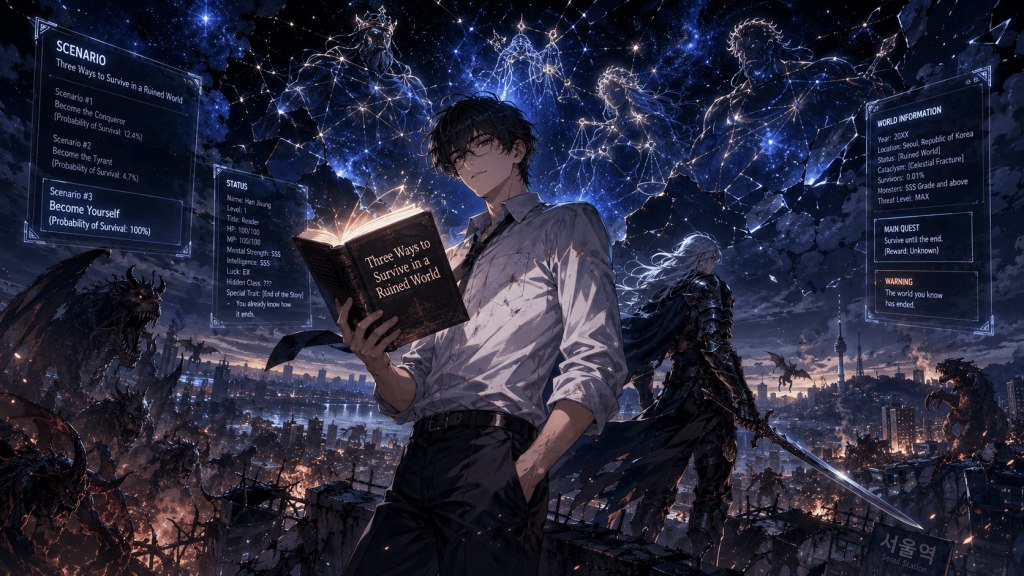
14. Volcanic Age
He survived a lifetime by watching everyone else — and the second time, he finally knows what to do with that.
Joo Seo-Cheon made it to old age in the brutal, unforgiving world of the martial arts clans. Not because he was strong — because he was smart enough to stay out of the way, to observe, to survive by watching legends clash and learning from the fallout without ever becoming a legend himself. He dies an old man who saw everything and did almost nothing. And then he wakes up as a young recruit in a prestigious sect with sixty years of surviving-by-watching loaded into his memory.
This is a different flavor of regression manhwa revenge than most entries here. The “betrayal” isn’t a single dramatic moment — it’s a lifetime of small cowardices, of watching people he could have helped, of survival at the cost of everything he could have been. The second chance isn’t fueled by rage. It’s fueled by regret and the specific hunger of someone who watched the game their whole life and finally gets to play it. The knowledge he brings back isn’t raw power — it’s political, historical, and relational.
Volcanic Age is excellent for readers who are tired of protagonists whose advantage is purely physical. Joo Seo-Cheon’s edge is that he watched every important person in this world live and die, knows their secrets and their weaknesses, and has decades of political reading to apply to situations everyone around him thinks are new. The martial arts cultivation system is well-constructed and the pacing is patient without being slow.
The moment he starts pulling out knowledge of people and events that haven’t happened yet, from the perspective of the people watching, is deeply satisfying in a completely different way than the standard power reveal.
15. Dungeon Reset
The system broke and left him outside all the rules — he decided that was fine.
Dawoon Jung falls into a dungeon with a group of hunters and then the system malfunctions, locking him in a bizarre outside-the-rules position. He can’t level up the normal way. He can’t use standard hunter abilities. He can’t follow the path every other person in this system follows. What he can do is reset specific sections of the dungeon, rebuilding and repurposing them around himself, alone, in a way that doesn’t match any established framework for how dungeons or hunters are supposed to work.
This one earns its place on a “mc betrayed by party manhwa” list because the initial group abandons him to die when the malfunction makes him seem useless to their progress. It’s a quieter betrayal than most on this list — not dramatic or personal, just cold and practical: he couldn’t contribute, so they left. What follows is the story of one person building something entirely self-sufficient from broken pieces of a system that was never designed for him.
Dungeon Reset scratches a very specific itch, the crafting, building, problem-solving satisfaction of a man who can’t use the tools everyone else relies on and chooses to build better tools instead. The tone is lighter than most betrayal-revenge manhwa, the creativity of the dungeon-resetting mechanic keeps individual chapters from feeling repetitive, and the protagonist’s resourceful, low-drama approach to his situation is genuinely refreshing in a genre full of burning fury and dramatic reveals.
You’ll read this one for the vibe as much as the story, and it delivers on both.
If you burned through this list and you’re still not satisfied — same — then you already know where to go next. The “I was betrayed” pipeline connects directly to the “I was always stronger than you knew” pipeline, and they feed each other perfectly. If you haven’t worked through our list of manhwa where the MC hides his power yet, that’s your next stop. Same energy, different wound — and just as many ruined sleep schedules waiting for you on the other side.