
Agent Skills are now an open standard: the beginner's view
Anthropic has handed the Agent Skills standard to a foundation it co-founded with OpenAI and Block. What portable workflows mean for beginners.
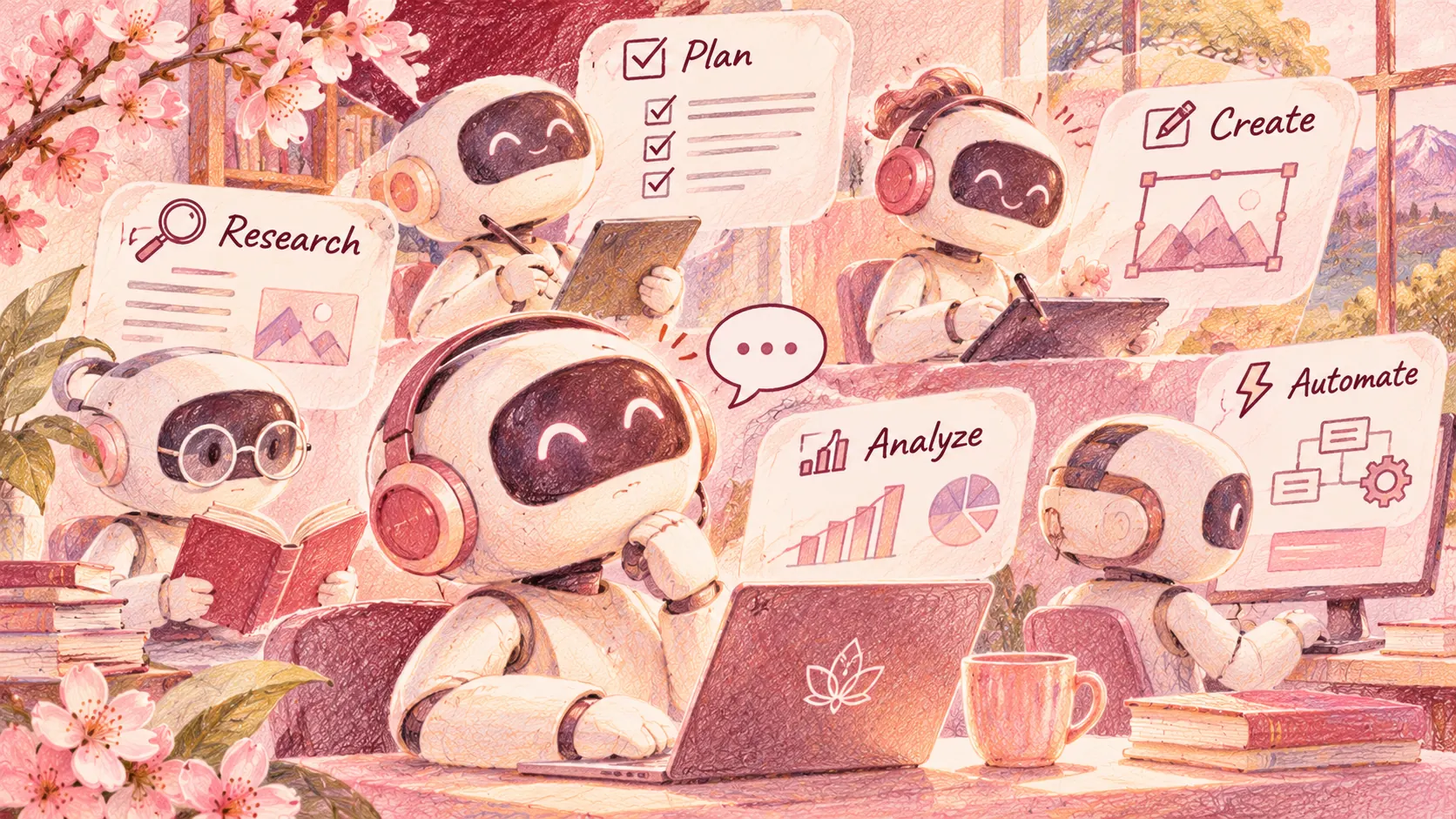
A quiet change just went through the tools everyone is watching. On 22 October, Anthropic donated Agent Skills, the open standard that gives AI agents their task knowledge, to the Agentic AI Foundation. Anthropic’s announcement reports that more than 70 platforms, including ChatGPT, Cursor, GitHub Copilot and VS Code, have supported the format since it was published in December 2025.
If “skills for agents” sounds like an internal industry debate, here is the plain version. An AI assistant can answer questions and, in some tools, take actions. An AI agent can choose steps and use its available tools to work toward a goal. What it can do depends on its setup and permissions.
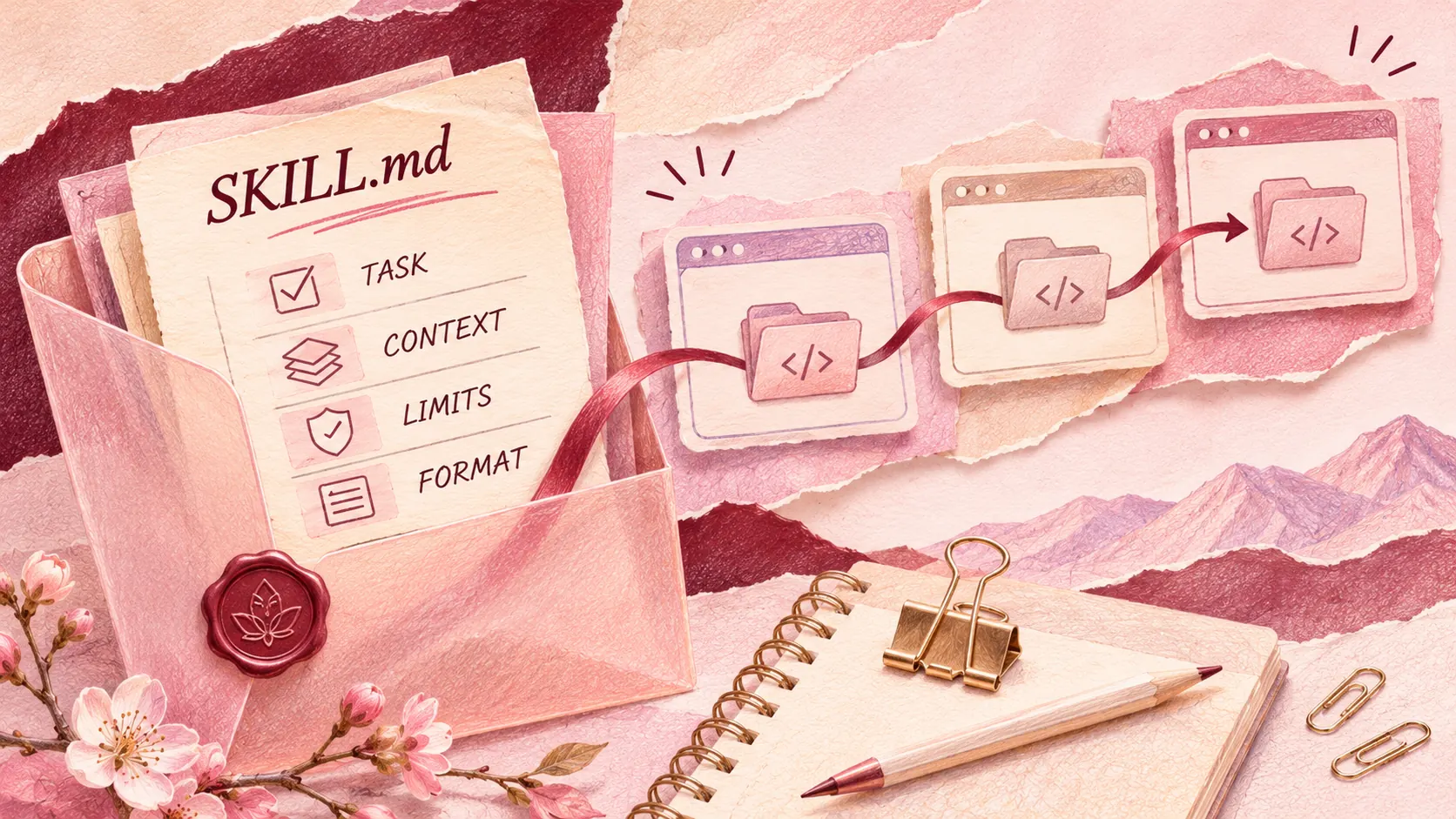
A skill is a folder with a SKILL.md file that gives an agent instructions for a particular task or domain. It can also contain scripts and reference material. Think of it as a written procedure the agent can load when it needs it.
Why an open standard beats a faster model
New model releases grab the headlines because they promise better answers. A standard changes where your work lives, which lasts longer than a speed claim. Three things follow:
Your instructions can travel. A written brief, checklist and process can be a starting point in another supported tool. Check the tool’s format, available capabilities and permissions before relying on it. Release notes will keep promising speed and price cuts (Anthropic says Haiku 5.5 is built for high-volume work such as summarisation and browser use); a portable format lets you test those claims against your own tasks in minutes.
The scale is already real. Anthropic reports that 1 million skills have been published and nearly 280 million installed since October 2025, when Claude Code users began sharing thousands of them on GitHub within weeks of launch. Whatever software you use, the library of ready-made procedures already exists; attribution is what matters.
Lock-in gets harder to hide. The donation puts the standard, its name and logo, its GitHub organisation and the agentskills.io domain into neutral hands. The Agentic AI Foundation sits under the Linux Foundation and was co-founded by Anthropic, Block and OpenAI, which also placed the Model Context Protocol there. Engineers from Anthropic, Google and OpenAI will maintain the project as individuals, with the community consulted on proposed changes. If a vendor drifts from the format, you can see the lock instead of just feeling it.
Try the five-minute test
Take one prompt you already trust. Write it as a reusable prompt brief with four sections:
Task: what you want produced.
Context: the audience and facts it may use.
Limits: what it must preserve, avoid or leave unresolved.
Format: the shape and rough length of the answer.
Run the brief in the tool you normally use, then try it in a second tool. Compare both answers against the same checklist: are the facts present, are missing details flagged, and has anything been invented? Note which instructions each assistant followed and what you had to correct. Keep the wording that works for your task.
This exercise tests a reusable prompt; it does not by itself create or test a standard Agent Skill. The format specification describes the required SKILL.md file and metadata.
What the standard does not change
A skill can guide an agent’s work, but it cannot replace your judgement. Check facts, permissions and results, and make the necessary decisions before publishing or sharing anything. A vendor’s release notes describe its own product claims, so compare those claims with what happens in your work.
The Glow Up Code’s position has not moved: one small task, one clear brief, one honest review. A shared standard simply means the thing you build can come with you.
Read the specification at agentskills.io, or continue with Write a better AI brief, which shows one correction end to end. For more practice, the free AI Starter Kit includes five prompts and a seven-day plan.